


$35 Median Hourly Rate: Non Medical Home Care for Families, VA Approved
Non-medical home care provides non-clinical, in-home help with daily activities like bathing, dressing, meal preparation, light housekeeping, and companionship. It’s designed for seniors and adults who need support to stay safe and independent at home, without the medical supervision that home health services require. If your loved one is struggling with everyday tasks, the best first move is scheduling a needs assessment with a licensed home care agency so you understand exactly what kind of help fits the situation.
TL;DR:
- The national median hourly rate for non-medical home care is about $35, with costs varying from $24 to $46 depending on the state.
- Caregivers typically assist with bathing, dressing, mobility transfers, meal prep, light housekeeping, and companionship, but do not administer medication or wound care.
- Families should verify agency background checks, insurance, training, and staffing plans before hiring to avoid red flags like vague answers or pressure to sign quickly.
- Non-medical home care is usually paid out of pocket or through VA benefits, while Medicaid and Medicare generally do not cover ongoing non-medical support.
- Combining non-medical care with home health services can often meet both medical and daily living needs, depending on the person’s health status.
Table of Contents
- What Services Does Non-Medical Home Care Include?
- How Much Does Non-Medical Home Care Cost?
- How Do You Find and Vet a Non-Medical Home Care Agency?
- Non-Medical Home Care vs. Home Health: Which One Do You Need?
- How CareBuilders at Home Puts This Guidance Into Practice
- Getting Started: From First Call to Ongoing Care
- What Happens to Family Caregivers When Support Finally Arrives?
- A Straightforward Take on Getting This Right
- Ready to Explore Non-Medical Home Care for Your Family?
- Sources
What Services Does Non-Medical Home Care Include?
When you’re trying to figure out what non-medical home care actually looks like day to day, it helps to think of it as two categories: hands-on personal care and household support. Both matter, and most families end up needing a blend of the two.
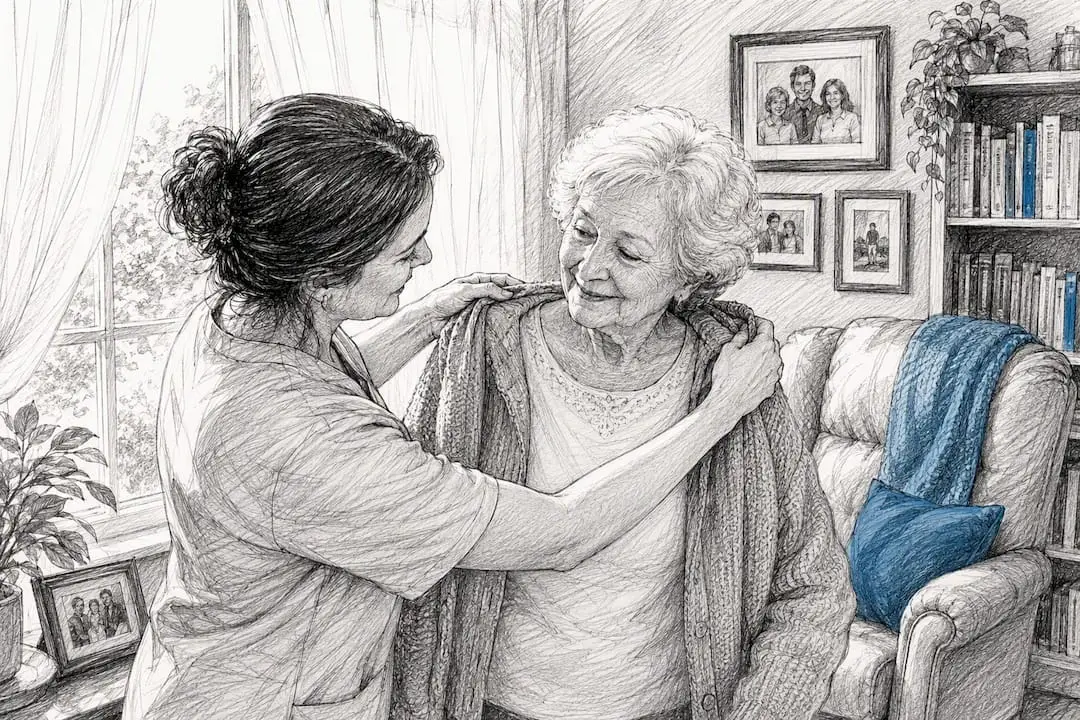
Personal care assistance covers the tasks people find hardest to ask for help with. Bathing assistance for elderly clients is one of the most requested services, since fall risk in the shower or tub is a real and common concern. MedlinePlus outlines the range of typical home care supports, and safe bathing for seniors, dressing, grooming, and mobility transfers usually sit at the center of that list.
Here’s what a typical service menu looks like:
- Bathing and dressing assistance, grooming, and toileting support
- Transfers and mobility help, including getting in and out of bed or chairs safely
- Meal preparation and feeding assistance
- Light housekeeping, laundry, and errands
- Transportation to appointments, the pharmacy, or social outings
- Medication reminders (not administration)
- Companionship and conversation, especially for isolated seniors
Families can arrange care by the hour, overnight, as live-in support, for short-term respite, or as dementia-focused shifts with caregivers trained in redirection and de-escalation techniques.
There’s a boundary worth understanding clearly. Non-medical caregivers don’t administer medication, perform wound care, or conduct clinical assessments. That work belongs to licensed nurses or home health aides under a physician’s order.
Pro Tip: Ask any agency you’re considering for a written list of tasks caregivers are trained and permitted to do. If bathing assistance at home is a top concern, ask specifically how they train for fall prevention in the bathroom, since that’s where many home injuries happen.
How Much Does Non-Medical Home Care Cost?
Cost is usually the first question families ask, and for good reason. A 2025 cost survey found the national median hourly rate for nonmedical in-home care runs about $35 per hour, with state-by-state figures ranging from roughly $24 to $46. Where you live changes the number significantly, so a local quote matters more than any national average.
A handful of factors drive that price up or down: hours needed per week, whether you’re hiring hourly or live-in coverage, and whether you go through an agency or hire a caregiver privately.
Several payment paths exist beyond paying entirely out of pocket:
- Private pay, often the most flexible but also the most expensive path
- Long-term care insurance, if the policy was purchased before a diagnosis
- Medicaid HCBS waivers, which fund non-medical in-home supports for qualifying individuals, though rules and availability vary by state
- VA benefits, including Aid and Attendance, for eligible veterans and surviving spouses
One point trips up a lot of families: Medicare generally does not cover ongoing non-medical personal care. It pays for skilled home health only when a physician orders it and it’s medically necessary. If you’re budgeting around Medicare covering a caregiver for bathing and companionship, you’ll hit a wall fast. Families whose income falls just above Medicaid thresholds sometimes overlook state units on aging, which run separate non-Medicaid assistance programs worth calling about before ruling out help entirely.
How Do You Find and Vet a Non-Medical Home Care Agency?
Choosing an agency is really a screening process, and it deserves the same scrutiny you’d give any decision affecting a family member’s safety. Caregiver is a solid starting point for what to verify before signing anything.
Walk through these steps before committing:
- Confirm the agency runs background checks and drug screenings on every caregiver, not just at hiring but periodically.
- Ask whether caregivers are employees (with insurance and payroll taxes handled by the agency) or independent contractors, since that changes your liability.
- Request proof of liability insurance and bonding.
- Ask about training specifics, especially for dementia care, fall prevention, and safe bathing techniques.
- Find out whether a nurse or supervisor does regular check-ins on the caregiver’s work.
- Get a written care agreement outlining scope of services, billing, scheduling, and emergency procedures before care starts.
- Ask about staff turnover rates and how quickly they can replace a caregiver who’s out sick.
Watch for these red flags:
- Vague or evasive answers about background checks or insurance
- Reluctance to put anything in writing
- No backup staffing plan for callouts
- Pressure to sign before you’ve met the assigned caregiver
A step-by-step guide to arranging in-home care can walk you through the assessment and matching process in more detail.
Non-Medical Home Care vs. Home Health: Which One Do You Need?
Home health involves licensed clinicians, physical therapists, nurses, or home health aides, working under a doctor’s order for a specific medical need, such as wound care after surgery or physical therapy following a hospital stay. Medicare often covers it, but only temporarily and only when medically necessary.
Non-medical home care covers ongoing daily living support with no physician order required. It’s the right fit when someone is safe medically but struggling with routine tasks like dressing or meal prep.
Many families need both at once. A parent recovering from a hip replacement might have a home health nurse visiting twice a week while a personal care assistant helps daily with bathing and mobility. Ask yourself: does this task require a medical license, or does it require patience and consistency? That question usually points you to the right service.
How CareBuilders at Home Puts This Guidance Into Practice
CareBuilders at Home of Plano & Allen builds its care plans around the exact concerns families raise most often: safety, dementia support, and financial access to veteran benefits. Here’s what that looks like in practice:
- Caregivers trained specifically in dementia and Alzheimer’s care, not general assistance alone
- Virtual monitoring and fall detection technology layered onto in-person visits for round-the-clock awareness
- VA-approved provider status, which simplifies access to veteran benefits like Aid and Attendance
- Flexible care plans that scale up or down as a loved one’s needs change
[Author credentials, client testimonials, and outcome data to be added by site editor.]
Families can review personal care service details to see how these pieces fit together for their specific situation.
Getting Started: From First Call to Ongoing Care
- Clarify which daily activities your loved one needs help with.
- Request a written care agreement spelling out scope of services.
- Arrange an introductory visit to confirm caregiver fit before committing.
- Set up check-ins, shift notes, and a clear emergency escalation plan.
- Revisit the plan every few months, since care needs rarely stay static.
What Happens to Family Caregivers When Support Finally Arrives?
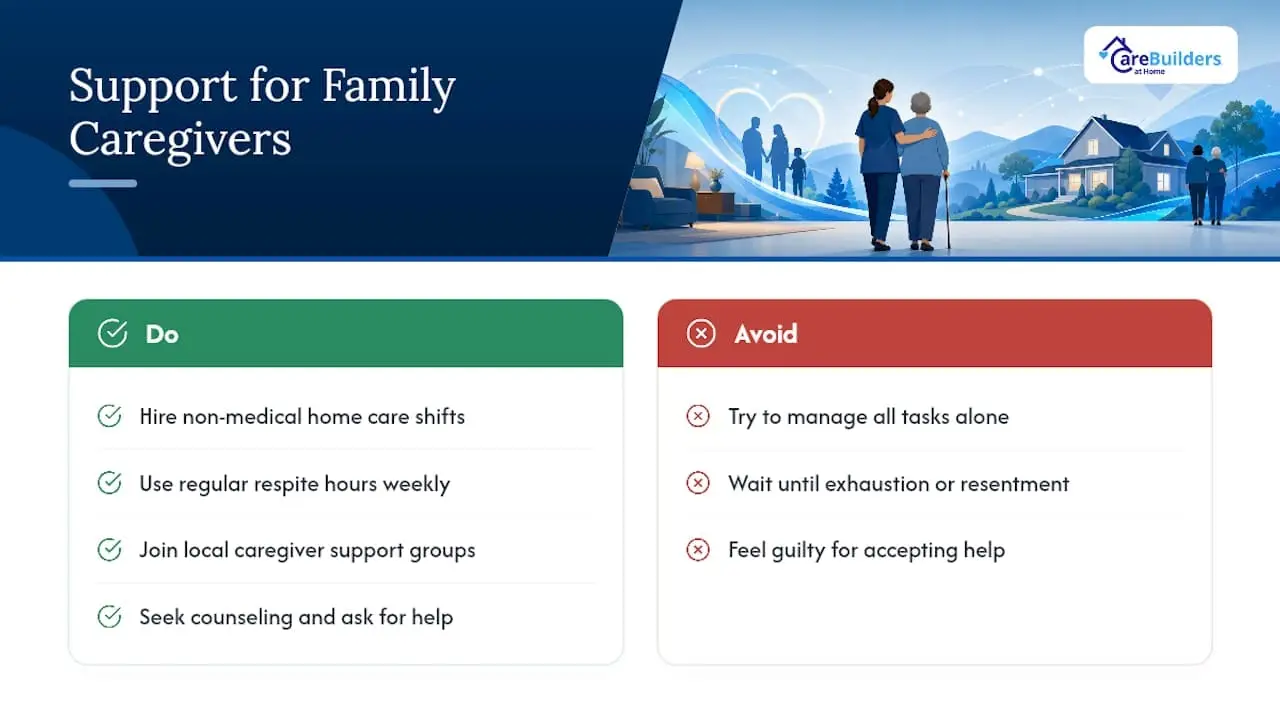
The person often overlooked in all this planning is the family caregiver. Adult children providing unpaid care frequently describe feeling stretched thin between work, their own households, and checking in on a parent daily. That strain builds quietly, and it rarely announces itself until exhaustion or resentment sets in.
Bringing in non-medical home care doesn’t just help the senior. It gives the family caregiver room to breathe, sleep through the night, or simply be a son or daughter again instead of a full-time aide. Respite care shifts, even just a few hours a week, can be the difference between a sustainable caregiving arrangement and a burnout that eventually costs the whole family more.
Support doesn’t stop at hiring a caregiver, though. Family caregivers benefit from their own resources: local caregiver support groups, counseling, and simply permission to ask for help without guilt. If transportation is part of what’s weighing on you, resources like Aging Solo’s guide to transportation options can ease one more piece of the daily logistics puzzle. The goal isn’t just keeping a senior safe. It’s making sure the people caring for them stay healthy enough to keep showing up.
A Straightforward Take on Getting This Right
Families who start with a written care agreement and a clear scope of services almost always have a smoother experience than those who wing it based on a phone call. My honest recommendation: start small. Bring in a few hours of help a week, see how the caregiver fits, then scale up once trust is established rather than committing to full-time care on day one.
[Author credentials and client testimonials to be added by site editor.]
— cbahplano
Ready to Explore Non-Medical Home Care for Your Family?
If you’ve read this far, you already know the gaps: Medicare won’t cover ongoing personal care, and generic agencies often can’t speak to dementia needs or veteran benefits with any real depth. CareBuilders at Home of Plano & Allen closes those gaps directly, pairing dementia-trained caregivers with virtual monitoring and fall detection so families get both hands-on help and round-the-clock awareness, plus VA-approved status that simplifies access to Aid and Attendance for veteran families.
If your loved one needs help with bathing, dressing, meal prep, or just steady companionship, the next step is simple: schedule a free assessment and see what a personalized care plan looks like for your family. Start by exploring personal care services in Plano, Allen, Richardson, Wylie, and the surrounding Collin County area.
This article is general information, not a substitute for advice from a qualified doctor. Consult a qualified healthcare professional about your own circumstances before acting on anything here.
Sources
- Medicare coverage: home health services
- Medicaid home- and community-based services (HCBS)
- The cost of home care and how to pay for it | News Channel 3-12
- MedlinePlus: Home care services
- Caregiver