


Caregivers: Activities for Homebound Seniors Can Do in 5–15 Minutes
The best approach is a short, varied program of physical, cognitive, creative, and social activities tailored to the senior’s abilities and run by a caregiver or companion. Activities should stay brief, mix different types of stimulation, and flex with how someone feels that day. If a senior has a diagnosed medical condition, check with their clinician before starting anything new.
Table of Contents
- 1. A Categorized Shortlist of Activities to Try Today
- 2. Physical Activity at Home: Safe Routines and Mini-Workouts
- 3. Cognitive and Creative Activities That Support Memory and Mood
- 4. Social and Virtual Connection Ideas to Fight Isolation
- 5. Sensory and Reminiscence Activities for Low-Mobility Days
- 6. Adapting Activities to Ability: A Quick Safety Checklist
- A Caregiver’s Honest Take on Making Activities Stick
- How We Help Families Keep Activity Routines Going
- FAQ
- Sources
1. A Categorized Shortlist of Activities to Try Today
When you’re staring down a long afternoon with a loved one who has limited mobility, having a ready list of ideas takes the pressure off. We’ve grouped these by type so you can match the activity to the mood, energy level, and attention span you’re working with that day.
Physical:
- Chair marching: Sit tall and lift knees alternately for one minute; great for low-stamina days.
- Standing weight shifts: Hold a counter and shift weight foot to build balance safely.
- Resistance band pulls: Use a towel or soft band for gentle arm strengthening.
- Seated leg lifts: Extend one leg at a time while seated to maintain knee mobility.
- Hallway walks with pauses: Short walks broken into segments work better than one long trek.
- Balloon volleyball: Batting a balloon back and forth builds reflexes with zero fall risk.
- Gardening from a chair: Potting small plants engages hands and shoulders.
- Stretch-and-breathe routine: Five minutes of gentle stretching paired with slow breathing.
Cognitive and games:
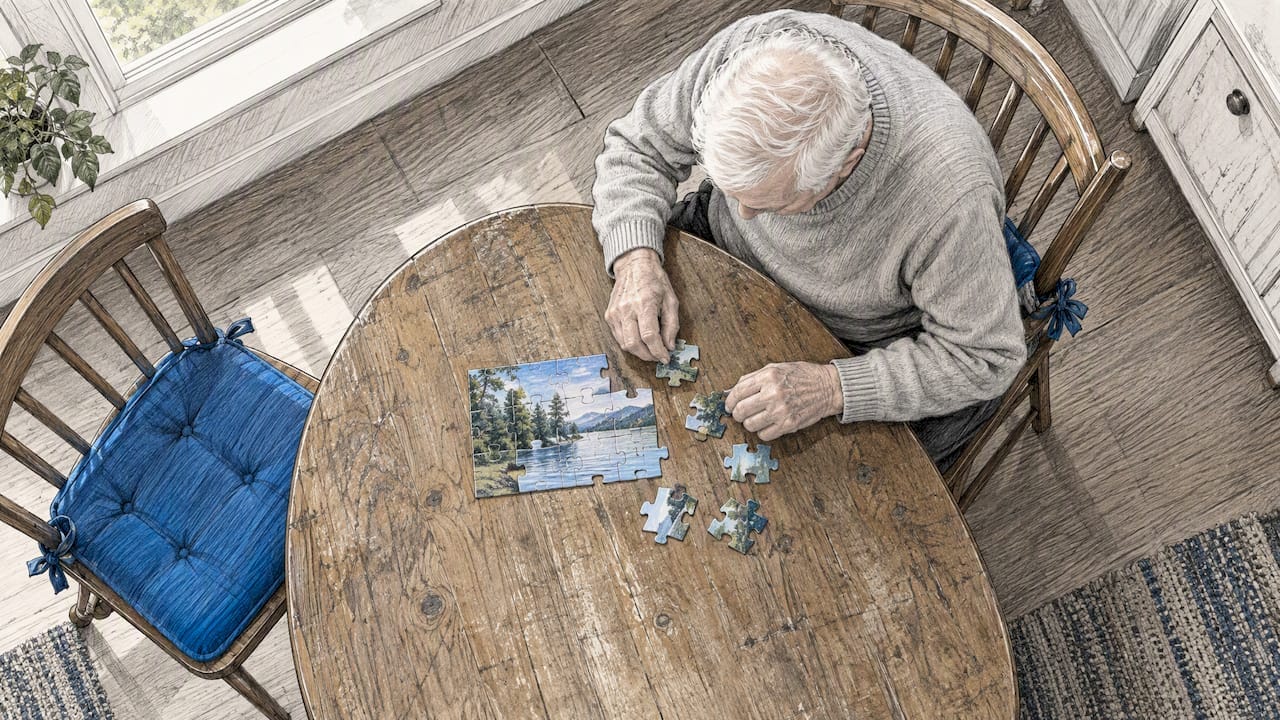
- Jigsaw puzzles: Large-piece puzzles suit vision changes; smaller pieces challenge sharper minds.
- Trivia from their decade: Pull questions from the era they grew up in for easy wins.
- Word searches: Great for sustained focus without the pressure of a timer.
- Card games like rummy or solitaire: Familiar rules reduce frustration.
- Sudoku or number puzzles: Good for seniors who enjoyed math or logic earlier in life.
- Trivia apps on a tablet: Many are free and have adjustable difficulty.
- Memory matching games: Simple card-flip games build short-term recall.
- Crossword puzzles: Choose easy or themed versions to avoid discouragement.
Creative and crafts:
- Watercolor painting: Forgiving medium that doesn’t require fine motor precision.
- Adult coloring books: Nature or mandala designs offer calm, repetitive focus.
- Simple knitting or looming: Large needles and chunky yarn work for stiff hands.
- Scrapbooking old photos: Combines creativity with reminiscence.
- Clay or dough modeling: Soft dough is gentle on arthritic joints.
- Greeting card making: Gives a purpose, cards for grandchildren or friends.
- Simple sewing projects: Pillow covers or patches for those who enjoyed sewing.
- Flower arranging: Fresh or silk flowers, low mess, high payoff.
Social and virtual:
- Scheduled video calls: Set a weekly time with family so it becomes a routine.
- Virtual book clubs: Many libraries host these for free.
- Letter writing: A handwritten note to a grandchild or old friend.
- Watching a show together: Shared viewing opens conversation.
- Phone call check-ins: A simple, low-tech way to stay connected daily.
Sensory and reminiscence:
- Building a music playlist: Songs from their teens and twenties spark strong memories.
- Smell-based prompts: Coffee, cinnamon, or fresh bread can trigger vivid recall.
- Handling textured objects: Smooth stones, soft fabric, or pinecones for tactile grounding.
Daily meaningful chores:
- Folding laundry: Simple, familiar, and gives a sense of contribution.
- Sorting mail or coins: Light sorting tasks keep hands and mind busy.
- Watering houseplants: A small daily task that builds routine.
A useful caregiver prompt for any of these: “Want to try something for ten minutes, or would you rather I read to you while you rest?” Giving a choice, rather than an instruction, tends to get better engagement.
2. Physical Activity at Home: Safe Routines and Mini-Workouts
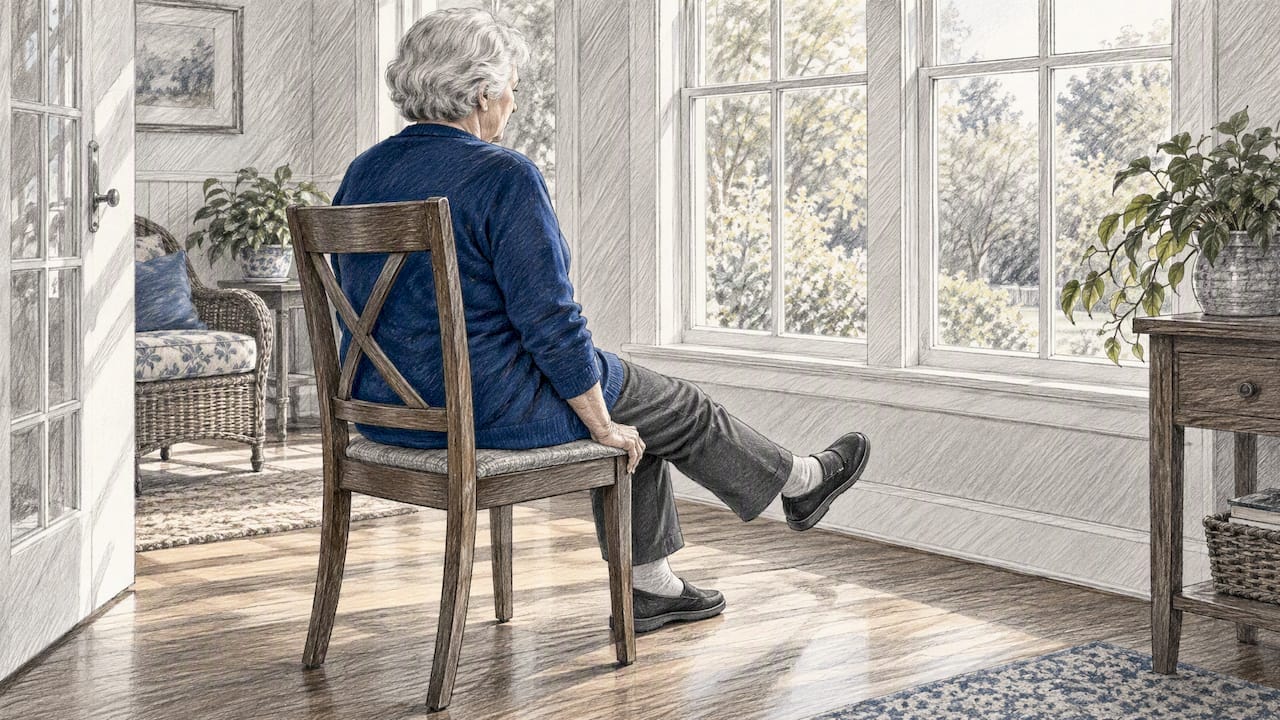
Older adults benefit from at least 150 minutes a week of moderate aerobic activity, along with strength training on two or more days and regular balance practice, according to CDC guidance. That total doesn’t need to happen in one sitting. Breaking movement into short bouts spread across the day tends to work better for seniors with limited stamina.
Pro Tip: Anchor a mini-workout to something that already happens daily, like standing up during a TV commercial break or marching in place while coffee brews.
- Warm up first. A few minutes of slow shoulder rolls and ankle circles prepares joints for movement.
- Sit-to-stand repetitions. Standing up from a firm chair five to eight times builds leg strength used in daily transfers.
- Wall push-ups. Leaning into a wall and pushing back works arms and chest without floor work.
- Heel-to-toe walking. Walking along a counter for support builds balance gradually.
- Seated marching. Lifting knees while seated keeps hips mobile.
- Towel resistance rows. Pulling a towel held at both ends strengthens the back and shoulders.
- Single-leg stands. Holding a counter and lifting one foot slightly builds stability over weeks.
- Cool-down stretches. Gentle stretching after activity reduces soreness.
Home-based exercise programs using household items like towels and water bottles have been shown to improve balance, strength, and endurance in adults 65 and older, and they can be run safely by caregivers without formal equipment. A clinic-backed home balance program from Contemporary Rehab Services offers a structured eight to twelve week progression worth reviewing if falls are a concern. Stop any activity and check with a clinician if the senior reports chest pain, dizziness, shortness of breath, or sudden joint pain.
3. Cognitive and Creative Activities That Support Memory and Mood
Engaging in mentally stimulating activities, including creative pursuits, music, and puzzles, is linked to better memory and mood in older adults and can support continued independence, according to the National Institute on Aging. The key is matching the activity’s complexity to where the senior is right now, not where they used to be.
- Life-story projects: Record a senior talking about their childhood, first job, or wedding day using a phone voice memo.
- Audiobooks: Great for seniors with vision loss or fatigue who still want stories.
- Simple word games: Rhyming games or “name five things” categories keep things light.
- Music-based recall: Playing a familiar song and asking what it reminds them of.
- Dementia-friendly sorting tasks: Sorting buttons by color or size offers focus without requiring memory.
- Picture description: Looking at a photo and describing what’s happening keeps language skills active.
Pro Tip: Choose materials with large print, bold colors, and simple instructions, and stop an activity the moment frustration shows rather than pushing through for the sake of finishing it.
For seniors living with dementia, step down the complexity rather than abandoning the activity entirely. A hundred-piece puzzle can become a twelve-piece one; a full conversation can become a single photo and a gentle question.
4. Social and Virtual Connection Ideas to Fight Isolation
Loneliness in older adults carries real health risks, with some research summarizing its impact as comparable to smoking 15 cigarettes a day, including higher risk of heart disease, depression, and cognitive decline. Caregivers who build regular social contact into the week are addressing a real health need, not just filling time.
- Set a recurring video call: Same day, same time each week, so it becomes an expected routine rather than a surprise.
- Start a two-person virtual book club: Pick a short book, read a chapter together over video chat, then discuss.
- Schedule intergenerational visits: Grandchildren reading or playing simple games over video strengthens bonds even when conversation is limited.
- Use a dedicated phone for calls: Large buttons and a simplified contact list help seniors with vision or dexterity challenges call independently.
For seniors with dementia, nonverbal shared activities such as listening to music together or looking through photos tend to maintain social bonds more reliably than conversation-based visits once memory has declined. Adjust volume, use large text on screens, and consider a simplified tablet app for seniors who find standard video call interfaces confusing.
5. Sensory and Reminiscence Activities for Low-Mobility Days
Some of the most meaningful activities require almost no physical effort at all. A memory box filled with old photos, a favorite scarf, ticket stubs, or a childhood toy can anchor a conversation even on a day when energy is low. Pull out one item at a time and ask an open-ended question like “Tell me about this.”
- Build a decade-specific playlist: Songs from their teens and twenties often trigger the strongest recall.
- Offer tactile objects: Smooth stones, soft blankets, or textured fabric swatches for grounding.
- Try smell-based prompts: Fresh coffee, cinnamon, or a favorite perfume can bring back vivid memories.
- Set up a window bird feeder: Watching birds from a chair offers low-effort nature engagement.
- Start a small window herb garden: Basil or mint in a sunny windowsill gives a daily reason to check in on something growing.
Keep reminiscence sessions short, ten to fifteen minutes is often enough, and watch for signs of sadness or agitation that suggest it’s time to shift to something lighter.
6. Adapting Activities to Ability: A Quick Safety Checklist
Before choosing an activity, run through a few quick questions: How is their mobility today? Can they see and hear well enough to follow along? What’s their current attention span? How much physical endurance do they have right now? These answers change day to day, so the checklist is worth revisiting often rather than treated as a one-time assessment.
- Mobility: Choose seated options on days when standing feels unsteady.
- Vision: Use large print, high-contrast materials, and good lighting.
- Hearing: Face the person directly and reduce background noise during conversation-based activities.
- Cognition: Simplify instructions and break tasks into single steps.
- Endurance: Plan for five to fifteen minute activity bouts rather than long sessions.
Mini-workouts and short bursts of activity integrated into daily routines tend to be more sustainable than single long sessions for older adults with limited stamina, according to the National Institute on Aging. Substitute household items like water bottles for weights and folded towels for resistance bands when formal equipment isn’t available.
Red flags that warrant pausing an activity and involving a clinician, physical therapist, or trained caregiver include sudden confusion, chest pain, repeated falls, or a noticeable drop in appetite or mood. A guide to dementia-friendly amenities from AFHCircle offers additional ideas for adapting spaces and activities for seniors with cognitive decline.
A Caregiver’s Honest Take on Making Activities Stick
The hardest part of this work isn’t finding activity ideas, it’s keeping them going past the first enthusiastic week. Schedules slip, energy runs low, and it’s easy to let activities become the thing that happens “if there’s time” instead of a fixed part of the day.
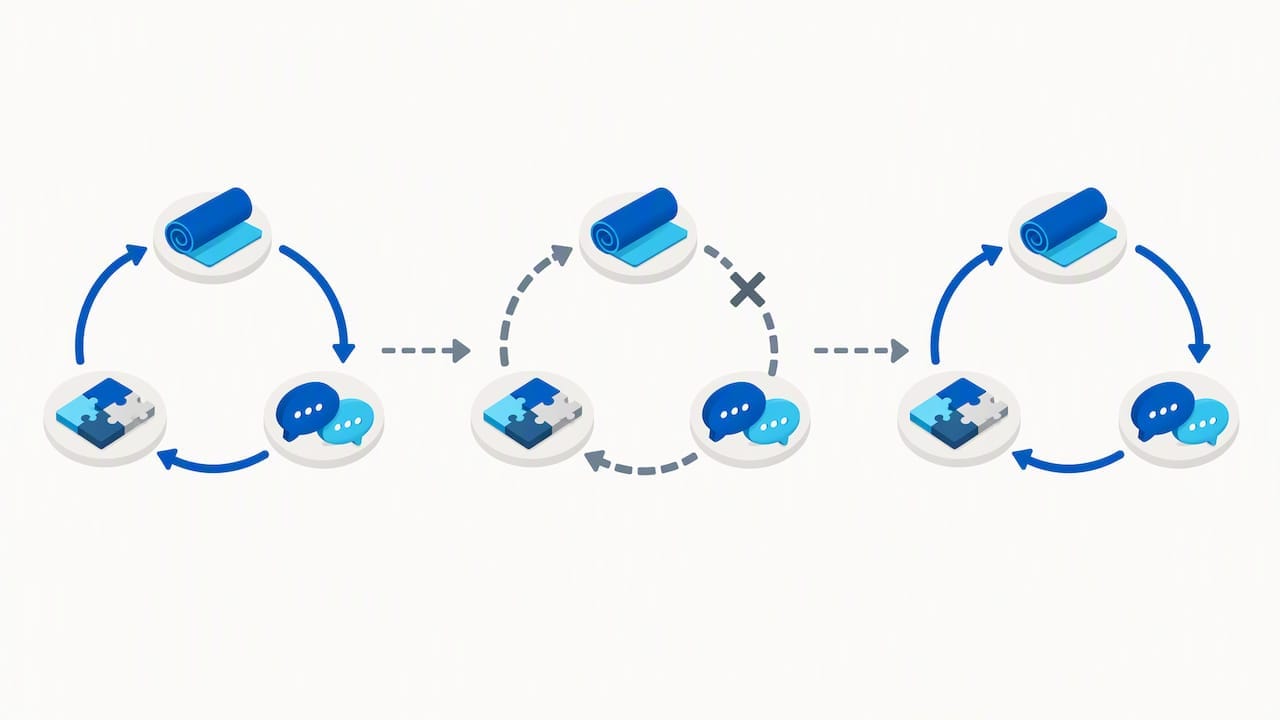
What actually works is treating yourself like an activities director rather than someone squeezing in extras. Pick two anchor points, maybe right after breakfast and before the evening news, and attach a short activity to each. Recruit help where you can: a neighbor for a weekly visit, a grandchild for a standing video call, a paid companion for the days you’re stretched too thin to show up with patience.
Expect uneven weeks. A short puzzle on a hard day still counts as a win.
— cbahplano
How We Help Families Keep Activity Routines Going
Building a routine is one thing. Sustaining it through a bad week, a health scare, or simple caregiver exhaustion is another. We offer companion and homemaker services that bring a trained, friendly presence into the home specifically to run social visits, light activities, and the kind of steady engagement that’s hard to maintain alone.
For families managing dementia, our caregivers come with specialized training in dementia care that includes reminiscence techniques, sensory activities, and the patience these moments require. Our virtual caregiver platform adds remote monitoring and wellness prompts between visits, so activity support doesn’t stop when a caregiver leaves the room.
If you’re in Plano, Allen, Richardson, Wylie, or the surrounding Collin County area and want a hand building a routine that actually sticks, request our free home care navigation guide or reach out to talk through what support might look like for your family.
FAQ
What are good daily activities for a homebound senior?
A good daily mix includes one short physical activity like chair exercises, one cognitive task like a puzzle or word game, and one social or sensory activity such as a phone call or music session. Keeping sessions brief and varied, usually five to fifteen minutes each, works better than one long activity.
How can caregivers adapt activities for dementia?
Simplify instructions to single steps, choose nonverbal options like music or photos when conversation becomes difficult, and lower the complexity of tasks such as puzzles or sorting games as needed. Shared presence activities tend to maintain emotional connection even after verbal communication declines.
What free resources exist for homebound senior activities?
Public libraries often provide free audiobooks and digital collections through apps like Libby, and several museums offer free virtual tours online. These resources work well for seniors with limited budgets or mobility.
How much physical activity do homebound seniors need?
Guidance for adults 65 and older recommends 150 minutes of moderate aerobic activity weekly, plus strength training twice a week and regular balance exercises. For seniors with limited stamina, this total can be broken into short, frequent bouts throughout the day.
Can CareBuilders at Home help with daily activities for seniors?
Yes, our companion and homemaker services include social visits and activity support, and our caregivers trained in dementia care can adapt activities to a senior’s changing needs. Our virtual caregiver platform also offers remote monitoring and wellness prompting between in-person visits.
Sources
- Physical activity guidelines for older adults — CDC
- Participating in activities you enjoy as you age — NIA
- Community Preventive Services Task Force findings (home-based exercise)